Yoga for Beginners: 4 Mistakes to Avoid
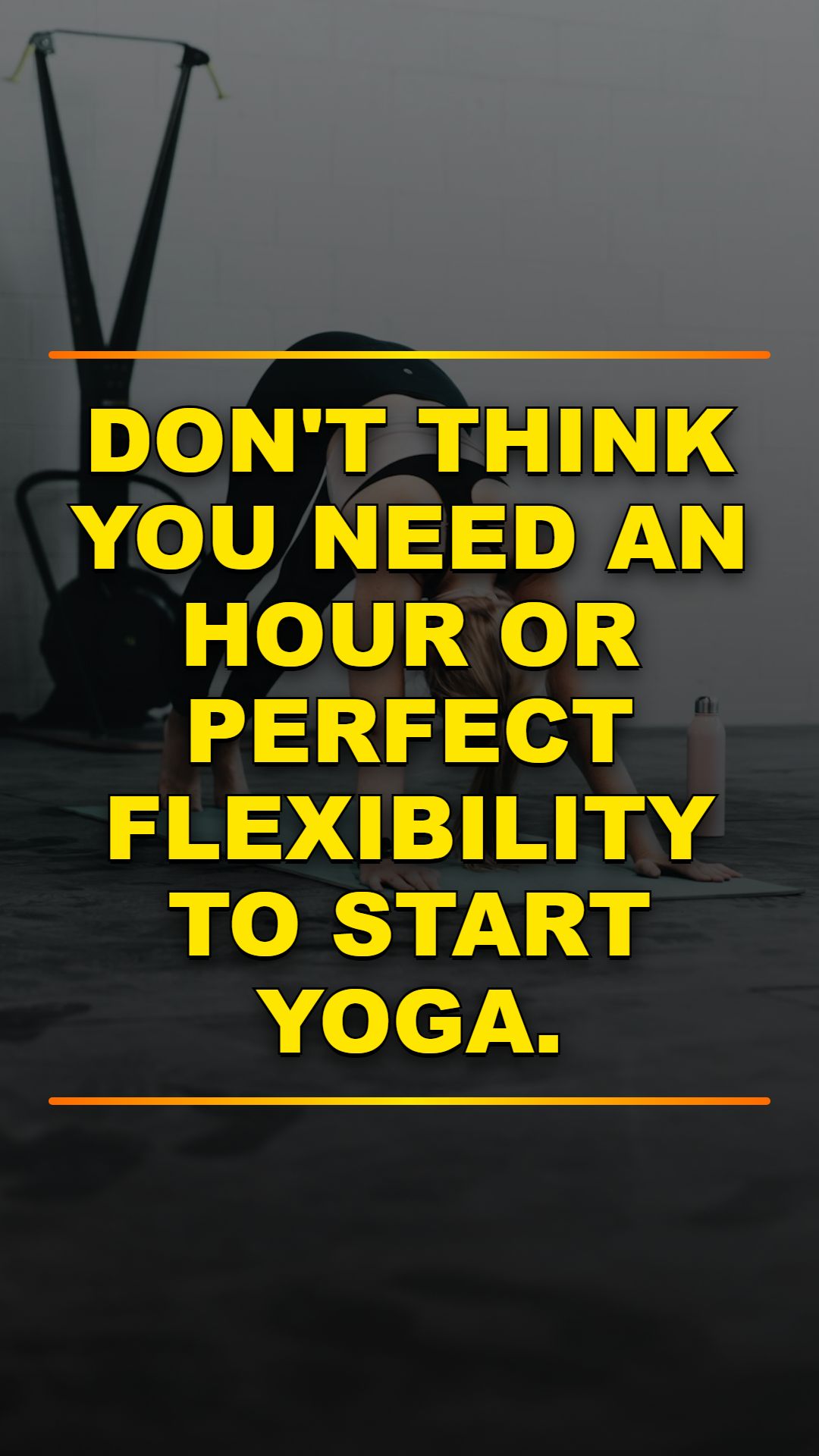
Starting a yoga practice can feel intimidating, but the biggest mistakes beginners make aren't about touching your toes or holding a pose—they're about approaching practice the wrong way. If you're worried you need perfect flexibility or a full hour to get started, take a breath. This guide walks through the four most common beginner mistakes so you can build a sustainable, joyful yoga habit from day one.
1 Start with Short Sessions
Many beginners assume they need to commit to a full 60-minute yoga class to see results, but this mindset often leads to burnout before the habit sticks. The truth is that even 10 to 15 minutes of mindful practice a few times a week delivers real benefits—better flexibility, improved posture, and a calmer mind. Short, frequent sessions are actually better for building consistency because they fit into busy schedules and feel less overwhelming. Start where you are, and you're far more likely to keep showing up than if you pressure yourself to do a massive class.
2 Master Foundational Poses First
The temptation to jump into cool, advanced poses is real, but skipping the foundations is a recipe for frustration and injury. Poses like Downward Dog and Warrior One teach your body proper alignment, build the strength you'll need later, and train your mind to focus on form over flash. Spending time with basics also helps you understand how your unique body works—everyone's alignment is slightly different. Once you've mastered how to engage your muscles and breathe through foundational poses, the more complex sequences become not just easier, but safer and far more rewarding.
3 Prioritize Breath Over Depth
One of the most overlooked aspects of yoga is the breath, yet it's the difference between a healing practice and a stressful workout. Many beginners push hard into stretches while holding their breath, missing the whole point of yoga. Slow, steady nasal breathing calms your nervous system and tells your body it's safe to relax deeper into poses naturally—far more effective than forcing yourself into positions. If your breath is ragged or you're holding it, dial back the intensity. A pose where you breathe freely is always better than a deeper pose where you're tense and breathless.
4 Use Props Without Guilt
Props like yoga blocks, folded blankets, and straps aren't shortcuts for people who "aren't flexible enough"—they're smart tools that every yogi uses to support safer, more aligned practice. Using props actually lets you focus on the correct alignment and muscle engagement rather than straining to reach a pose, which is where real progress happens. Props also make yoga accessible at any stage of your journey, from injury recovery to improving depth over time. Think of them as your teachers: they're helping you learn how poses should feel, and that knowledge builds lasting flexibility far better than forcing your way through unsupported poses.
Yoga isn't about being the most flexible person in the room or squeezing in a marathon session each week. It's about showing up consistently, respecting your body's signals, and building a practice that feels good. By keeping your sessions short, focusing on foundations, syncing your breath with movement, and embracing props, you'll not only avoid common beginner pitfalls—you'll set yourself up for a yoga journey that lasts. Start small, stay curious, and remember: every yogi started exactly where you are.