Upgrade Your Home Lighting Instantly
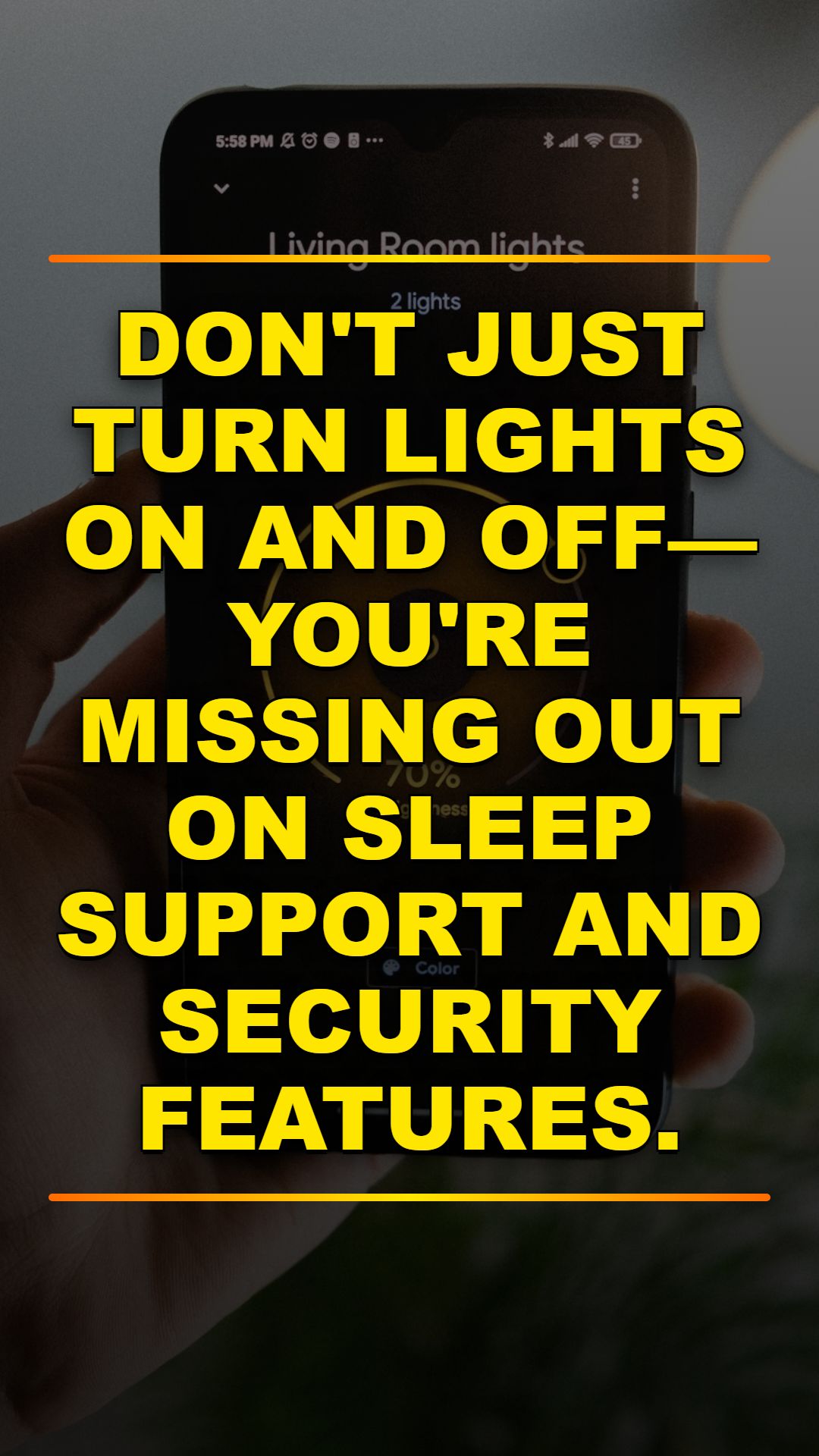
Don't just turn lights on and off—you're missing out on sleep support and security features. Smart lighting upgrades can seem complicated, but they're easier than you think. By making a few strategic changes to how your lights work, you'll sleep better, move safely through your home at night, and protect your place while you're away. Here's how to get started.
1 Match Light Color to Time of Day
Your body relies on light cues to regulate sleep-wake cycles, a process called circadian rhythm. Harsh, cool white light (4000–5000K) during the morning hours keeps you alert and focused, while warm tones (2200–2700K) in the evening signal your body that it's time to wind down. Many smart bulbs and fixtures let you schedule color shifts automatically, so you don't have to think about it. Over a few weeks, you'll likely notice you fall asleep faster and wake up more easily.
2 Use Motion Sensors for Safety
Stumbling through dark hallways and bathrooms in the middle of the night is one of the biggest hazards in most homes—falls and injuries spike in nighttime trips. Motion-activated lights solve this by turning on before you even reach for a switch. Set sensors to activate at a low brightness level (10–20%) so they don't jolt you awake, and configure them to turn off after just two minutes to save energy. This small change makes nighttime navigation safer and more natural.
3 Smart Switches Beat Smart Bulbs
It's tempting to buy smart bulbs because they're cheaper upfront, but they have a critical weakness: if someone flips the physical wall switch, the bulb loses all power and your app control disappears. Smart switches installed behind the outlet plate avoid this problem entirely, keeping the physical switch functional while adding app and automation features. Because the switch sits at the source of power, it works reliably whether you use it manually or via your phone. This is a more robust approach that'll save you frustration later.
4 Automate for Vacation Security
A home with all lights on 24/7 signals to potential intruders that nobody's home and the place is empty. Instead, randomize your lighting schedules so different rooms light up at different times each evening, mimicking the natural patterns of a lived-in home. Most smart home systems let you set up randomized routines or scenes, so the same room doesn't light up at exactly 7 p.m. every night. This unpredictability is a surprisingly effective deterrent, and it's one of the easiest security upgrades you can make.
Upgrading your home lighting doesn't require replacing every bulb or rewiring your house. Start with one or two of these changes—whether it's switching to warm colors at night or adding a motion sensor to your bedroom—and you'll immediately feel the difference in sleep quality and daily safety. As you get comfortable with smart lighting, you can layer in vacation security and other automations. Your body and your home will thank you.