Top 3 World Carnivals You Must See
Carnivals are more than just parades and costumes—they're windows into centuries of cultural tradition, rebellion, and celebration. From masked Venetian revelers to Andean devil dancers to Rio's samba royalty, the world's greatest carnivals blend history, spirituality, and artistry in ways you can't experience anywhere else. These three festivals showcase the diversity and depth of global carnival traditions, each rooted in a distinct culture and history. Here's what makes them unmissable.
1 Venice's Masked Mystery
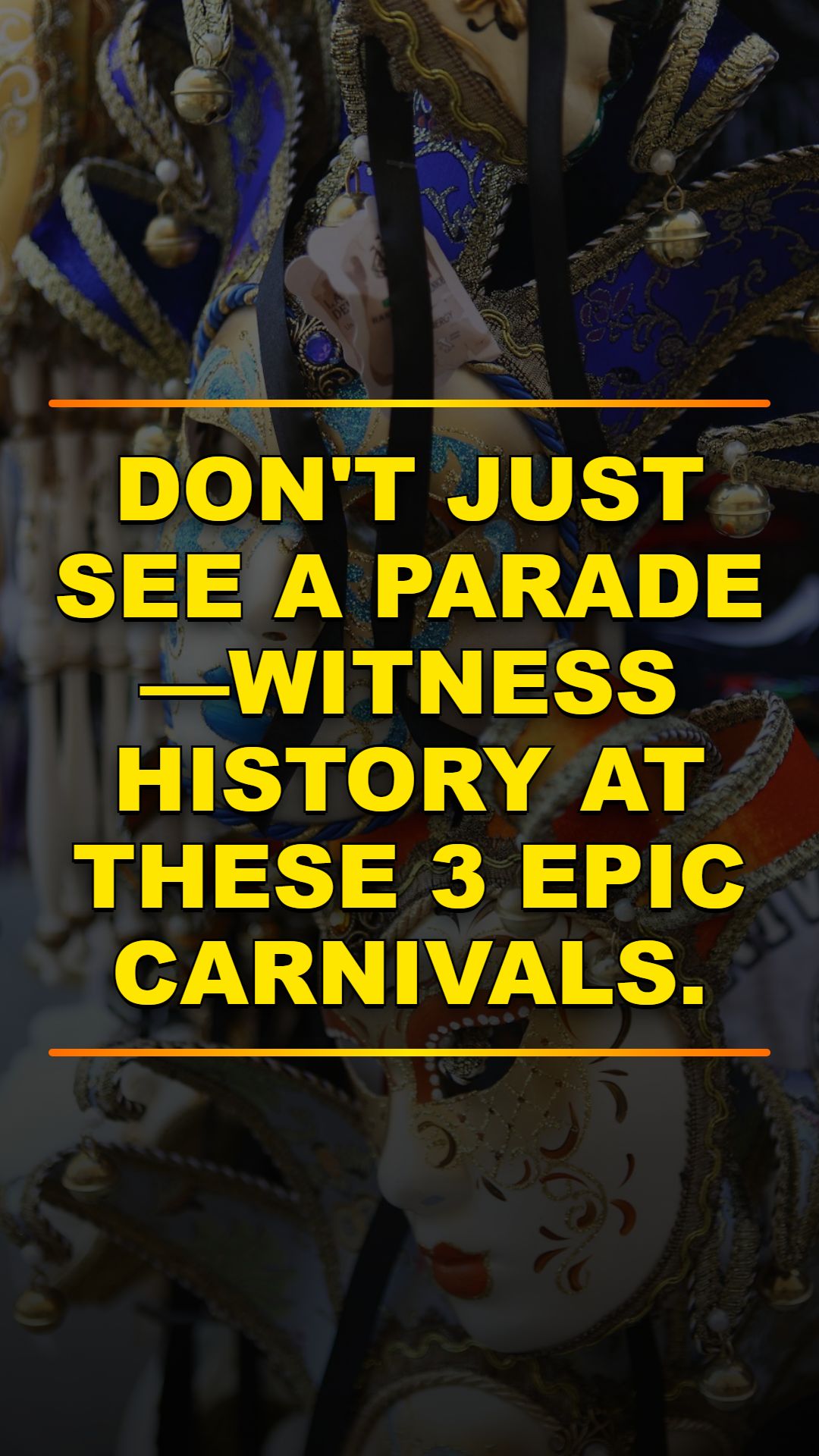
Venice's Carnival traces back to the 12th century, when masks allowed common people and nobility to socialize as equals—a radical idea in rigid Renaissance society. The tradition was officially banned in the 18th century, then revived in 1979 and has grown into one of the world's largest street celebrations. Expect elaborate costumes, grand water parades with decorated gondolas, and photo opportunities around San Marco Square. Plan to visit in February, book accommodations and gondola tours well in advance, and avoid the peak second weekend if you prefer smaller crowds.
2 Oruro's Andean Devil Dance
The Carnival of Oruro, held every February in Bolivia's mining region, is a UNESCO-recognized celebration where over 50,000 dancers in elaborate devil masks parade through the streets. Unlike Rio or Venice, Oruro's carnival is rooted in indigenous Andean spirituality—the Diablada (Devil Dance) represents a spiritual battle between pre-Columbian earth spirits and Catholic faith, honoring the Virgin of Socavón. The pageantry is stunning, but the deeper meaning—a blend of indigenous and colonial traditions—is what makes it truly unique. If you go, book hotels early, prepare for 12,000-foot altitude, and consider a local guide who can explain the cultural and spiritual significance of each dance and mask.
3 Rio's Samba Spectacle
Rio's Carnival peaks with the Sambadrome parade, where over 80,000 spectators watch the city's top samba schools compete with massive floats, thousands of dancers, and music that moves the crowd for hours. Each school invests months and substantial resources into their presentation, making it a high-stakes cultural event where reputation is everything. Beyond the main parade, millions of people celebrate across the city at street parties (blocos) in neighborhoods like Lapa and at formal balls in hotels. To join in, buy tickets to the Sambadrome for the main event, explore street parties throughout the city, or join a local bloco—many accept tourists and provide an authentic, grassroots experience of samba culture.
Each of these carnivals offers a unique window into how communities celebrate, preserve culture, and bring people together. Whether you're drawn to the mystery of masks, the spiritual depth of Andean traditions, or the infectious joy of samba, these three festivals prove that carnivals are far more than parades—they're living testaments to centuries of human creativity and resilience. Pick one, book your trip for February, and witness history in motion.