4 Injury Signs You Should Never Ignore
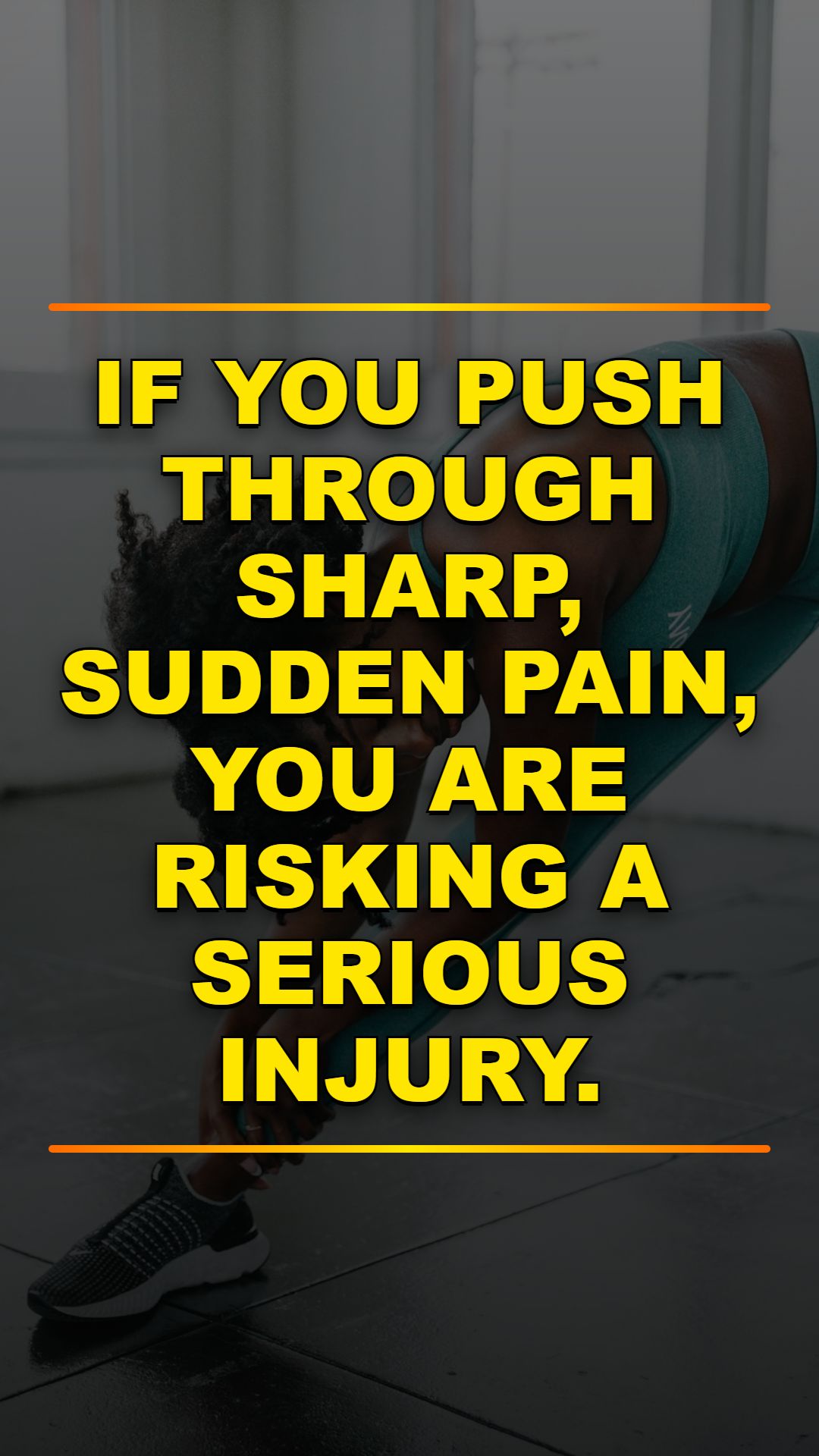
Your body sends signals all the time. The trouble is, many people ignore the loud ones—sharp pain, tightness, cramping—because they want to push through and finish their workout. But ignoring these signs is how minor niggles become major injuries that sideline you for weeks. This article breaks down four critical injury warnings you should never dismiss.
1 Know Pain vs. Soreness
Muscle soreness that shows up 1–2 days after a hard workout is completely normal and usually harmless. Sharp, sudden pain—especially one-sided pain near a joint—is a different story and signals that something may be wrong. If pain is severe enough to stop you mid-movement or feels like a pinch, your body is telling you to stop immediately. The key rule: soreness is dull and widespread; an injury warning is sharp, localized, and often one-sided.
2 Never Skip the Warm-Up
A proper warm-up does three critical things: it raises your heart rate to prepare your cardiovascular system, it lubricates your joints with synovial fluid, and it activates the muscles you're about to use. Spending 5–10 minutes on light cardio and dynamic stretches before your main workout dramatically reduces your risk of strains and joint injuries. Cold muscles and stiff joints are far more likely to tear or strain, so the warm-up isn't optional—it's the foundation of staying injury-free.
3 Increase Training Intensity Slowly
One of the fastest ways to get injured is jumping from where you are now to where you want to be overnight. Your tendons, ligaments, and connective tissue adapt much more slowly than your cardiovascular system, so increasing weight, distance, or intensity too quickly strains structures that aren't ready. A safe rule of thumb is to increase load or volume by about 10% per week, which gives your body time to adapt. Patience now means you stay healthy long-term and actually hit your goals faster than someone who got injured and had to take weeks off.
4 Hydration Prevents Cramps
Dehydration doesn't just make you thirsty—it reduces your muscles' ability to contract and relax smoothly, which is a primary cause of cramping. Drinking water consistently throughout the entire day, not just during your workout, keeps your electrolyte balance stable and your muscles functioning normally. Most people underestimate how much water they actually need, especially if they're exercising regularly or in warm conditions. If you find yourself cramping, it's often a sign you've been running on fumes for hours.
Your body is smart—it knows when something's wrong. The athletes who stay healthy long-term are the ones who listen to those signals instead of bulldozing through them. By learning the difference between normal soreness and injury warning signs, warming up properly, progressing intelligently, and staying hydrated, you'll spend way more time training and way less time injured.