Mexico's Wildest & Weirdest Festivals
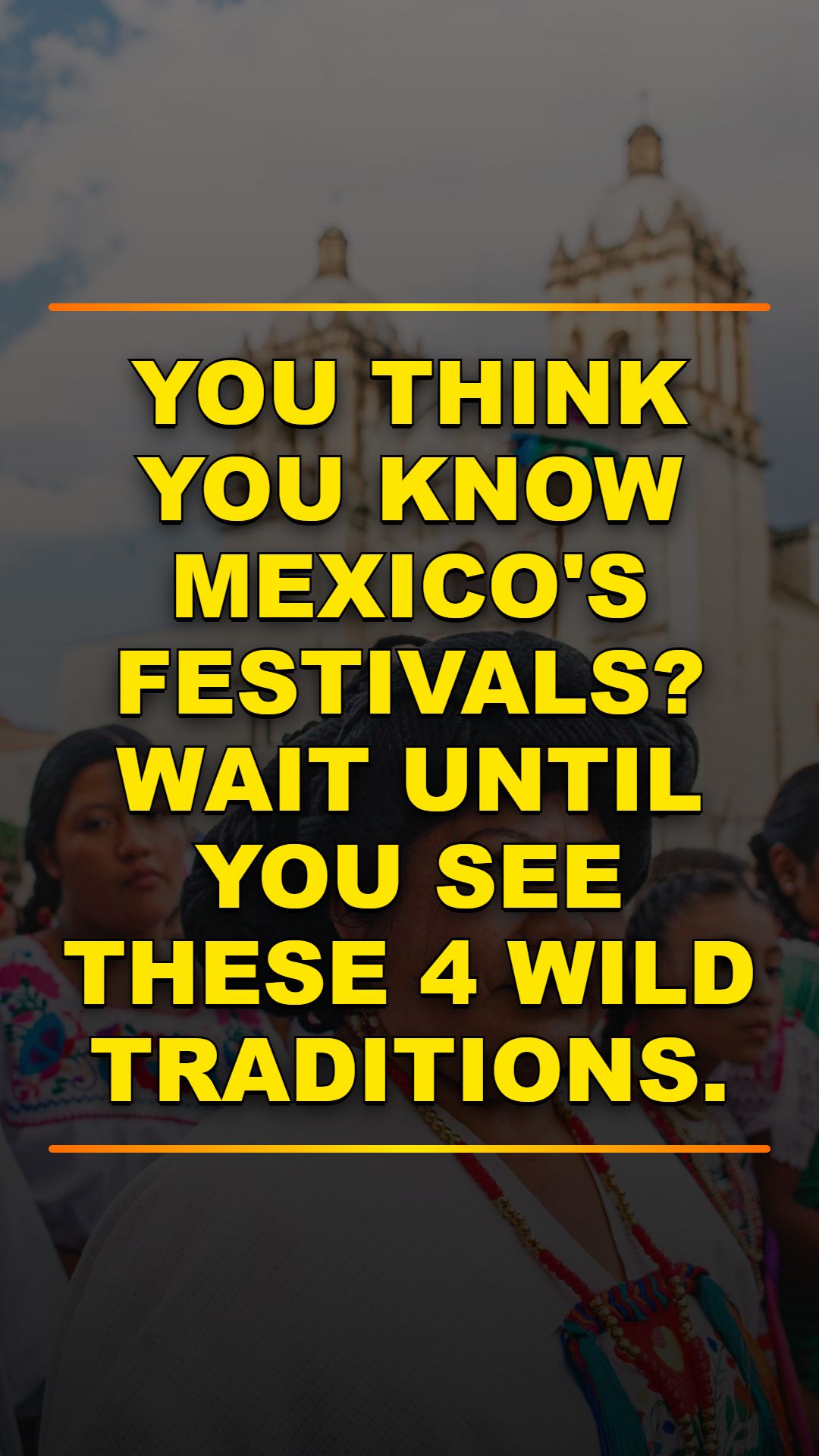
Mexico's festival calendar is packed with celebrations that span centuries of history, spirituality, and creativity. While tourists flock to familiar destinations, the country hosts some of the world's most eccentric and meaningful traditions — festivals that blend indigenous roots, colonial influences, and spiritual devotion. Here are four of the wildest celebrations that showcase Mexico's unique cultural depth and remind us why the country's traditions remain unmatched.
1 Oaxaca's Elaborate Radish Carving Festival
Every December 23rd, the town of Oaxaca transforms humble radishes into intricate works of art during the Noche de Rábanos. Local farmers cultivate massive roots that balloon over a foot long, providing the perfect canvas for carvers who spend months perfecting their craft. Artisans chisel scenes from Mexican folklore, nativity stories, and daily life into these giant radishes, competing for recognition in a tradition that stretches back centuries. What makes this festival remarkable is how it elevates something as mundane as a vegetable into high art, drawing crowds who marvel at the skill and imagination required to turn agricultural produce into museum-quality sculpture.
2 The Encuentro de Brujos: Witchcraft and Healing Traditions
Since 1970, the coastal town of Catemaco has hosted the Encuentro de Brujos — a gathering that draws thousands seeking spiritual cleansing and healing rituals. This festival represents a unique blend of indigenous Olmec practices, Spanish colonial traditions, and African spiritual influences that have merged over centuries. Practitioners and healers from across Mexico perform ceremonies, sell herbal remedies, and offer guidance to those seeking spiritual clarity and protection. Rather than the Hollywood image of witchcraft, these rituals focus on wellness, ancestral connection, and helping people navigate life's challenges through traditional spiritual wisdom.
3 The Sacred Devotion to Santa Muerte
While many associate Día de Muertos with family gatherings and remembering deceased loved ones, a different spiritual current runs through neighborhoods like Tepito in Mexico City — the veneration of Santa Muerte, the 'Niña Blanca' (White Girl). Devotees offer tequila, mezcal, flowers, and prayers to elaborately decorated statues of the skeletal saint, seeking protection, justice, and divine intervention in their lives. This tradition blends indigenous beliefs about death with Catholic imagery, creating a form of spirituality that exists outside mainstream religious institutions. For millions of Mexicans, Santa Muerte represents a protector who hears those the official church has overlooked, making her a symbol of inclusion and acceptance for marginalized communities.
4 The Quema de Judas: Political Satire Through Fire
On Holy Saturday, Mexico City transforms into a stage for the Quema de Judas — a festival where giant papier-mâché effigies, some towering up to three meters tall, are stuffed with fireworks and dramatically burned. Traditionally representing Judas from biblical narratives, these figures have evolved into political and social commentary, with effigies depicting corrupt politicians, unpopular figures, or systemic problems. The burning is not merely spectacle; it's cathartic protest art, allowing communities to symbolically purge frustration and demand accountability. This festival exemplifies how Mexican culture transforms ancient religious traditions into vehicles for contemporary social expression and collective healing.
Mexico's festivals reveal a culture that refuses to be defined by a single tradition. They blend the sacred and the absurd, the ancient and the modern, creating spaces where spirituality, art, and social commentary collide. These four wild celebrations remind us that festivals aren't just about having fun — they're how communities preserve identity, process grief and joy, and collectively imagine a better future. The next time you think about visiting Mexico, look beyond the beaches and consider timing your trip around one of these unforgettable cultural moments.