Mexico's Hidden Jungle Carnivals
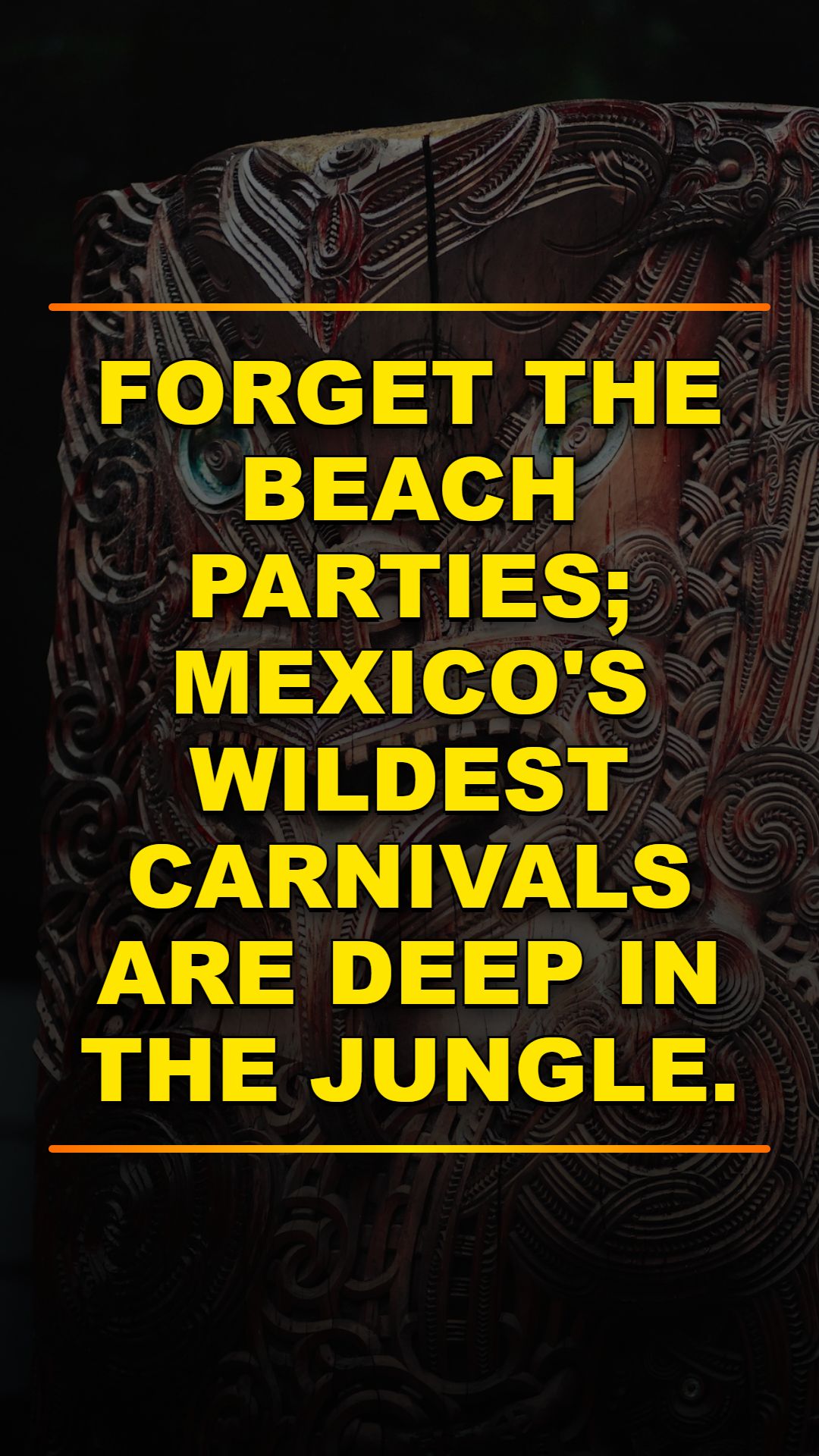
Mexico's most unforgettable carnivals aren't in beachside resorts; they're deep in the mountains and jungles where ancient traditions collide with centuries of history. These festivals blend pre-Hispanic spiritual practices, colonial resistance, and local folklore into celebrations that feel genuinely alive—not staged for tourists. If you've ever wanted to witness carnival celebrations that actually mean something to the people performing them, these hidden festivals are where real culture lives.
1 Chiapas' Masked Dancers — The Parachicos of Saint Anthony Abbot
In the mountain towns of Chiapas, particularly around the village of Palenque, the Parachicos emerge each January during the Feast of Saint Anthony Abbot wearing hand-carved wooden masks that gleam pale white—a deliberate echo of Spanish colonial faces. Dancers shake chinchines, metal rattles that sound like thousands of tiny bells, while they leap and sway in synchronized processions honoring the saint. This isn't just entertainment; the tradition carries centuries of indigenous Zoque and Tzeltal spiritual practices that survived colonial suppression by being woven into a Christian saint's celebration, making it a living example of cultural resilience.
2 Witches' National Congress — Catemaco's Mysterious Gathering
Every March or April, the small lakeside town of Catemaco in Veracruz becomes ground zero for Mexico's largest assembly of brujos (witches) and hechiceros (sorcerers). The festival features rituals performed on the shores of Lake Catemaco, including the infamous Black Mass that blends Catholic and pre-Columbian spiritual practices into something genuinely unsettling. Visitors witness everything from tarot readings and love spell ceremonies to group rituals intended to cleanse the town of negative energy, making it feel like stepping into an older Mexico where the boundaries between the sacred and supernatural remain beautifully blurred.
3 Oaxaca's Masked Satire — The Tejorones' Silent Rebellion
In Oaxacan communities, the Tejorones wear grotesque masks with exaggerated European features and crown themselves with rooster feathers, then march through villages in a centuries-old form of masked satire that was pure survival. Originally, these masked performers mocked and openly criticized wealthy landowners and colonial authorities without fear of retaliation—because the masks concealed their identities. Today, the tradition persists as a powerful statement about cultural reclamation, with each Tejon performance representing an unbroken chain of resistance that began when indigenous communities had no other way to speak truth to power.
4 Puebla's Gunpowder Skirmishes — Huejotzingo's Explosive Reenactments
The Huejotzingo Carnival in late February draws thousands to watch elaborately costumed performers fire antique muskets loaded with actual gunpowder, filling the air with smoke and thunder while reenacting colonial-era military skirmishes. The festival commemorates historical battles between French troops and Mexican forces, with performers divided into French and Mexican units who engage in theatrical combat across the town's streets. The visceral experience—the smell of gunpowder, the roar of musket fire, the elaborate 18th-century costumes—creates an immersive history lesson that no museum can match, making the past feel startlingly present.
These four festivals represent the truest spirit of Mexican carnival: celebrations rooted in real history, spiritual meaning, and community identity rather than commercialized spectacle. When you skip the beach-resort parties and venture into Chiapas's mountains, Veracruz's lakeside towns, Oaxaca's villages, or Puebla's streets, you'll encounter carnivals where the masks, rituals, and celebrations aren't performed for outsiders—they're performed because these traditions are woven into the fabric of who these communities are. That authenticity, that sense of witnessing something sacred and genuinely wild, is what makes these hidden carnivals unforgettable.