Mexico's Biggest Festival Secrets | Sinaloa
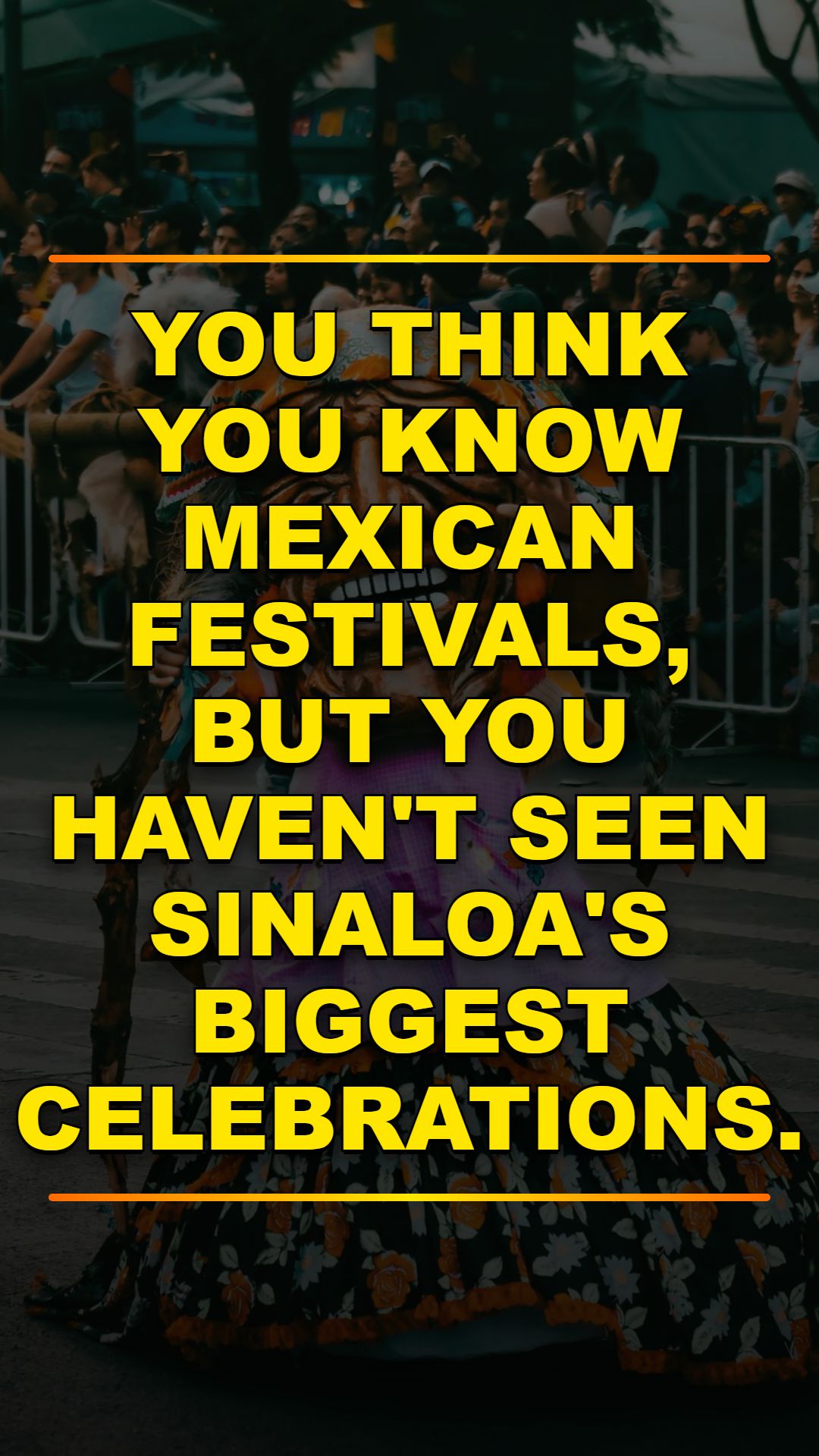
When most people think of Mexico's biggest festivals, they imagine Rio-style spectacle or distant celebrations they've only heard about. But Sinaloa, a state on Mexico's Pacific coast, hosts some of the country's most impressive—and surprisingly lesser-known—festival traditions. From carnival celebrations dating back over a century to arts festivals spanning entire regions, these events draw hundreds of thousands of visitors and showcase why Sinaloa's festival culture deserves a place on every traveler's bucket list.
1 Mazatlán's Massive Carnival: A Global Third-Largest Celebration
Mazatlán's carnival has been a staple of Mexican culture since 1898, making it one of the oldest continuously celebrated carnivals in the country. Today, it ranks as the world's third-largest carnival, rivaled only by Rio de Janeiro and New Orleans, drawing hundreds of thousands of visitors annually. The celebration features elaborate floats, live music, street parades, and beach parties that transform the entire city for weeks. If you're planning to attend, book accommodations well in advance since rooms fill up quickly during peak carnival season.
2 FECUSIN: Arts Festival Across All 20 Municipalities
FECUSIN (Festival Estatal de Cultura de Sinaloa) is an ambitious 22-day celebration that showcases art, music, theater, and dance across all 20 municipalities in Sinaloa simultaneously. This expansive reach makes it unique—few festivals attempt to bring cultural programming to such a wide geographic area at the same time. From indigenous performances to contemporary art installations, the festival keeps cultural traditions alive while introducing fresh creative voices. Attending multiple venues throughout FECUSIN gives you an authentic look at regional artistic diversity beyond the major tourist destinations.
3 Guamúchil's Centennial Tradition: Over 100 Years Strong
The Carnaval de Guamúchil has deep roots tracing back to 1920, making it more than a century old and a cornerstone of local pride and identity. The 2026 edition drew over 240,000 attendees, proving that this smaller-scale carnival rivals major urban celebrations in popularity and cultural significance. The festival blends traditional Mexican carnival elements with regional Sinaloan flair, offering a more intimate experience than massive city-center events. Local families often return year after year, making it a multigenerational event that strengthens community bonds across generations.
4 Altata's Carnival: Economic Engine for a Beach Town
The Altata carnival's 2026 edition brought substantial economic benefits to the beach community, attracting over 82,000 visitors and generating 41 million pesos in revenue for local businesses. The festival's drawing power comes from big-name headliners like La Sonora Dinamita, whose performances pull crowds from across Mexico and beyond. Beyond entertainment, this economic impact supports hotels, restaurants, and artisans selling crafts and traditional foods throughout the season. For travelers interested in both celebration and local empowerment, Altata's carnival shows how festivals drive genuine community development and cultural pride.
Sinaloa's festival calendar proves that Mexico's celebration culture extends far beyond the famous tourist hotspots. Whether you're drawn to the spectacle of one of the world's largest carnivals, the cultural depth of a statewide arts festival, or the economic vitality of a thriving beach town celebration, Sinaloa offers something genuinely unique. These festivals aren't just entertainment—they're windows into regional identity, community resilience, and creative expression that define the state's character. Plan your next trip around one of these celebrations and discover why Sinaloa's festival secrets deserve a place on every traveler's list.