Mexico's 3 Most Epic Festivals
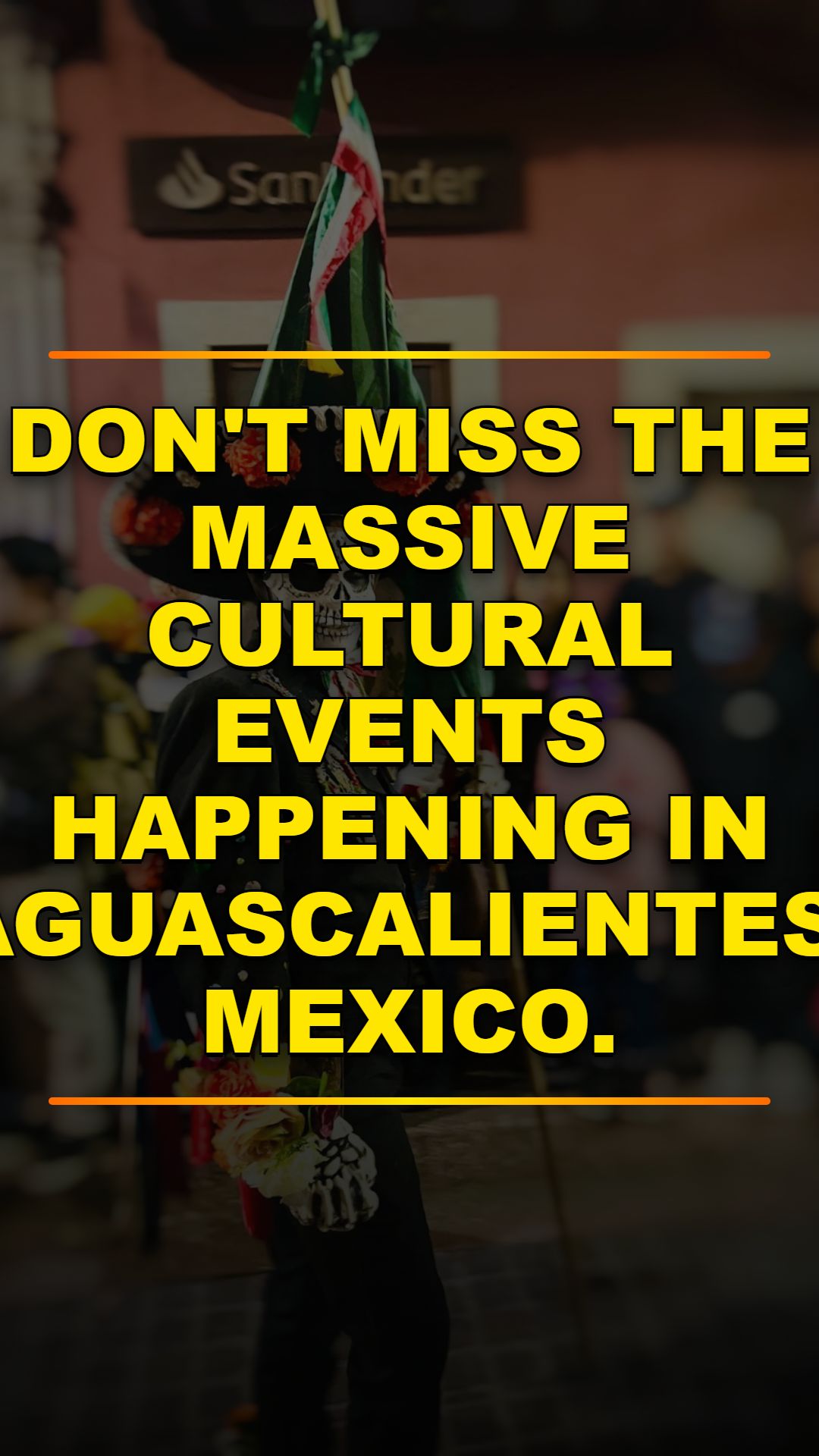
Aguascalientes, a state in north-central Mexico, is home to three world-class cultural festivals that celebrate everything from ancient traditions to regional heritage. Each festival draws massive crowds and offers visitors a chance to experience authentic Mexican culture, most at little to no cost. Whether you're drawn to Day of the Dead celebrations, wine culture, or living history, these three festivals deserve a spot on your travel bucket list.
1 The Catrina Day of the Dead Festival
The Desfile de Calaveras draws over 22,000 participants and spectators each year, making it one of the largest Day of the Dead celebrations in Mexico. The parade honors José Guadalupe Posada's iconic image of La Catrina and showcases elaborate skeleton costumes, sugar skulls, and traditional music that celebrate this centuries-old tradition. What makes this festival particularly accessible is that roughly 90% of the activities are completely free, from the main parade to cultural performances and exhibitions. Plan your visit for late October through early November, when the city transforms into a vibrant celebration of Mexican heritage.
2 Wine Harvest and Tasting Festivals
The Feria de la Uva represents a revival of Aguascalientes' winemaking heritage, having returned to the calendar after being absent for four decades. This festival features tastings of over 200 different wines produced in the region and beyond, making it a paradise for wine enthusiasts and those curious about Mexican viticulture. Beyond the wine, the festival maintains traditional elements like bullfights and local food vendors, creating a well-rounded cultural experience. The combination of wine education, entertainment, and regional cuisine offers a unique way to discover what makes Aguascalientes' food and drink scene special.
3 Ancient Battle Reenactments
The Feria de los Chicahuales stands out as one of Mexico's most historically rooted celebrations, bringing to life the battles and conflicts of centuries past through elaborate reenactments. The festival's centerpiece, the "Transformación de Santo Santiago," occurs on July 25th and draws approximately 300,000 visitors who witness actors and community members performing dramatic recreations of historical events. These reenactments are deeply cultural rituals that connect contemporary Aguascalientes to its indigenous and colonial past. The festival's scale and authenticity make it a remarkable window into Mexican history and tradition that you won't find replicated elsewhere.
These three festivals represent the best of what Aguascalientes has to offer: deep cultural roots, massive community participation, and genuine hospitality toward visitors. Planning a trip around one or more of these events gives you an authentic window into Mexican traditions and regional pride. Start planning now—these festivals fill up quickly, and once you experience them, you'll understand why they're considered some of Mexico's most epic cultural celebrations.