Game Smarter, Sleep Better Tonight
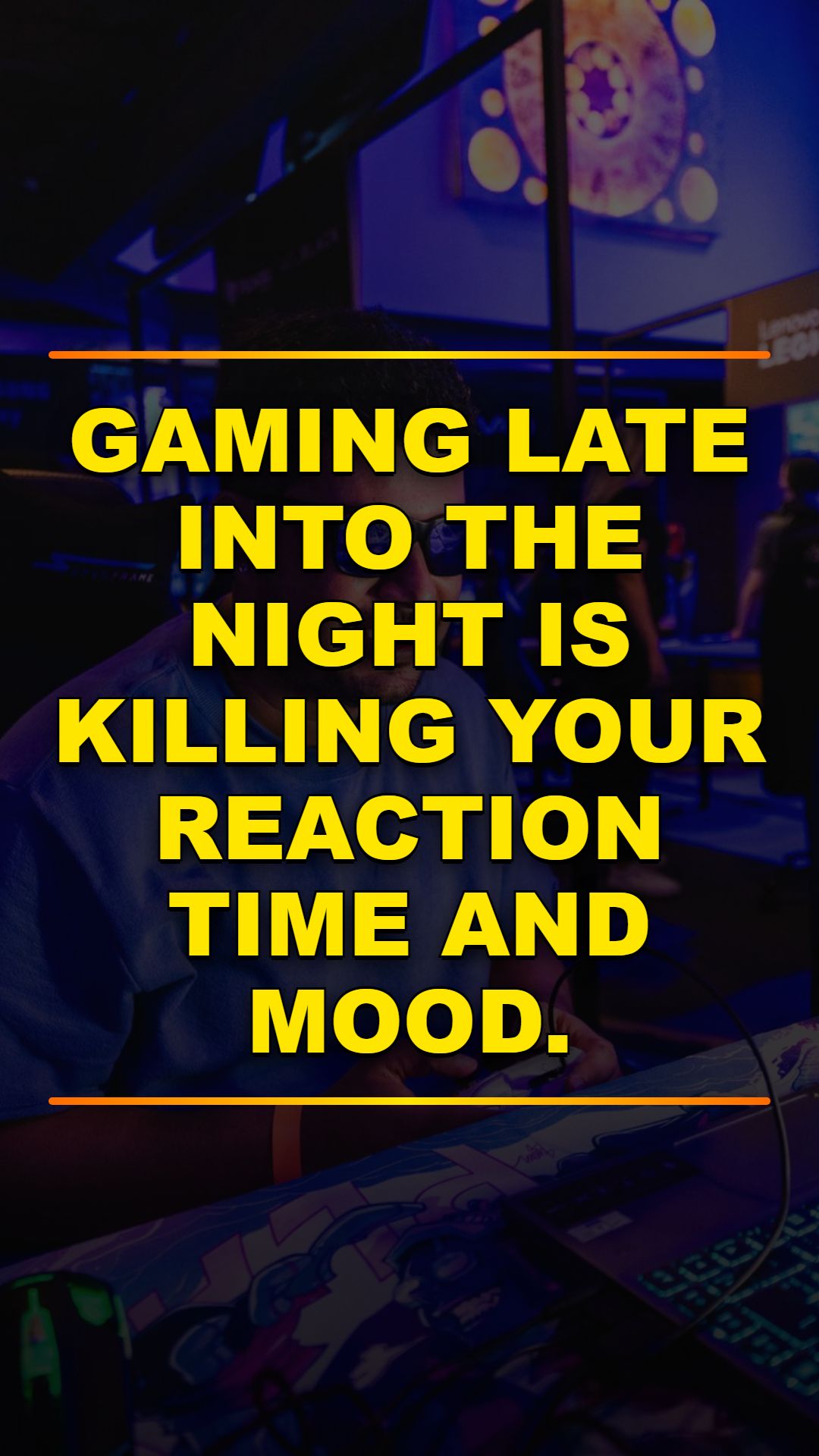
Late-night gaming sessions might feel productive in the moment, but they're sabotaging your sleep and the very reaction time you need to perform well in-game. When you game close to bedtime, your brain stays in a high-alert state that makes it hard to fall asleep, and the sleep you do get is fragmented and shallow. The good news: a few simple boundary-setting habits can help you enjoy gaming without sacrificing your rest. Here are four evidence-backed strategies to help you quit on time and sleep better.
1 Set a Hard Stop Time
The trick isn't willpower—it's planning. Set a specific cutoff time 30 to 60 minutes before your target bedtime, and treat it like a game mechanic you can't override. When the timer goes off, you log off, even if you're in the middle of a match or feel like just one more round. This buffer time removes the decision-making process in the moment when you're most tempted to play longer, and it gives your mind a chance to wind down before bed.
2 Use Built-In Screen Reminders
Most modern gaming consoles and devices have built-in reminders or automatic dimming features designed for exactly this reason. These system-level tools work because they shift the burden from your willpower to an external nudge that catches you before you lose track of time. Setting up a reminder takes two minutes but removes the need to constantly check the clock. Many players find that a small notification or screen dim is just enough to jolt them back to reality without feeling like a punishment.
3 Avoid Late Caffeine Spikes
Caffeine has a half-life of about five to six hours, meaning a late-afternoon energy drink is still circulating in your system at midnight. If you're gaming with caffeine on board, you're fighting an uphill battle against biology. Shift your last caffeinated drink to the early afternoon—ideally before 2 or 3 p.m.—so your system has time to clear it before bed. This single change often makes the biggest difference in how quickly you fall asleep and how rested you feel the next day.
4 Create a Screen-Free Wind-Down
Jumping straight from an intense, adrenaline-filled match to bed tells your brain to keep running at full speed. Instead, spend ten minutes on something calm: reading a few pages of a book, stretching, or even just sitting quietly. This transition period helps your nervous system shift out of fight-or-flight mode and signals to your body that it's time to rest. You'll fall asleep faster and wake up more refreshed.
Better sleep isn't the opposite of gaming—it's the foundation of gaming smarter. These four habits stack together to build a rhythm that protects both your sleep and your in-game performance. Start with just one change this week, and notice how it compounds over time.