Turkish Baking Secrets: Laminated Dough & Ancient Recipes
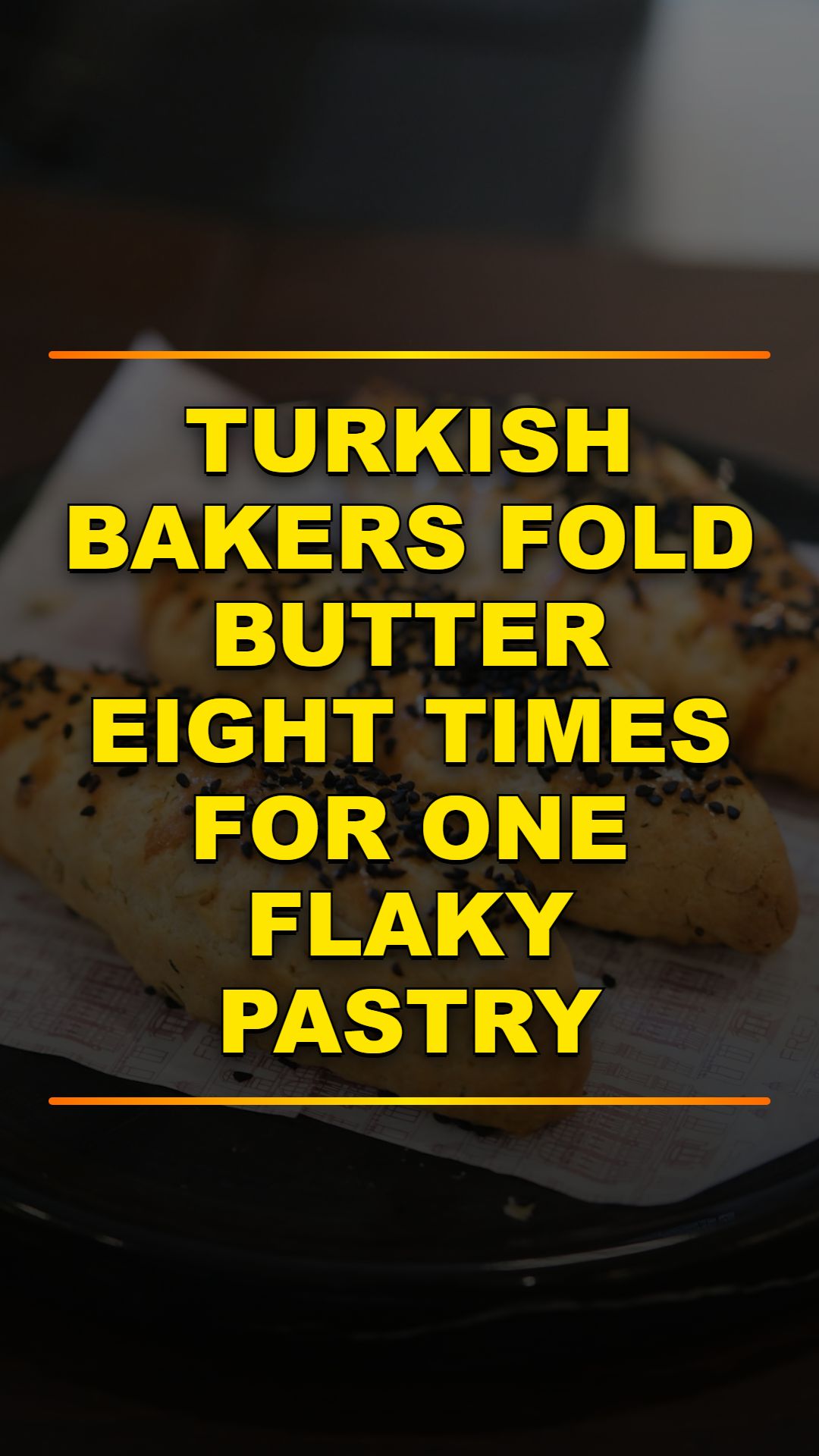
Turkish bread-making is an art built on precision, patience, and techniques perfected over centuries. From the layered pastries of Istanbul to the paper-thin flatbreads cooked on ancient tandoor ovens, Turkish bakers have developed methods that transform simple flour and butter into crackling, flaky textures and deeply flavored loaves. These aren't shortcuts or modern innovations—they're time-tested practices rooted in geography, tradition, and a deep understanding of how dough behaves.
1 Eight-Fold Layers Create Instant Shatter
Turkish bakers fold butter into dough eight times to create dozens of thin, alternating layers that separate and puff during baking. Each fold doubles the number of layers, so eight folds create over 250 layers in the finished pastry. This lamination technique traps steam between the butter and dough, causing them to separate and crisp up independently—giving you that distinctive shattering texture when you bite into a warm pastry. The precision matters: even folds ensure even cooking and consistent flake size.
2 Molasses Boil Makes Sesame Seeds Stick
Simit, the iconic Turkish sesame ring bread, gets its signature crispy-seeded exterior by being boiled briefly in a grape molasses solution before baking. The molasses creates a sticky coating on the dough's surface that acts like glue, helping the sesame seeds adhere firmly rather than falling off. Beyond adhesion, the molasses adds a subtle sweetness and contributes to the bread's deep mahogany-brown crust. This boiling step is essential—without it, most of the sesame would simply slide off during baking.
3 Tandoor Stretch Creates Paper-Thin Dough
Lavash and other traditional Turkish flatbreads are stretched by hand directly onto the inner wall of a tandoor—a clay oven that reaches extreme heat. As the baker works the dough, it becomes so thin that light passes through it, almost like parchment paper. The tandoor's dry, intense heat cooks the bread in seconds, creating a flexible yet crispy result with light blistering. This technique demands skill and years of practice; the dough must be stretched evenly and quickly placed before it tears.
4 Three-Hundred-Year Tradition, Unchanged Recipe
Simit has been sold on Istanbul's streets for over three centuries, and the recipe has barely changed. The same combination of flour, salt, water, and sesame has fed generations of commuters and schoolchildren because it simply works. This longevity reflects both the recipe's near-perfection and Turkish culture's respect for culinary heritage—bakers learn from their predecessors and see no need to reinvent what's already beloved. Walking through Istanbul today, you can buy simit from vendors using methods nearly identical to those from the 1700s.
5 Pide Predates Modern Pizza by Centuries
Pide, the iconic Turkish boat-shaped flatbread topped with cheese, meat, or egg, emerged long before modern Italian pizza became widespread. Its distinctive pinched edges create a boat-like form that channels juices and toppings toward the center while keeping them from spilling. Unlike pizza's round, flat shape, pide's geometry is practical—it holds its fillings securely and is easy to break into individual servings. This bread represents Turkish bakers' creativity in adapting flatbread to different toppings and eating styles.
Turkish bread-making succeeds because it combines technique with respect for tradition. Whether it's the mathematical precision of eight butter folds, the chemistry of molasses boiling, or the skill required to stretch dough on a tandoor, each method solves a real problem—creating texture, flavor, or structural integrity. These breads have endured for centuries not because Turkish bakers are stubborn, but because they've solved the fundamentals so well that there's little left to improve. If you ever taste authentic simit, lavash, or pide, you're tasting the result of centuries of refinement.