Dulce de Leche: The Right Way to Use It
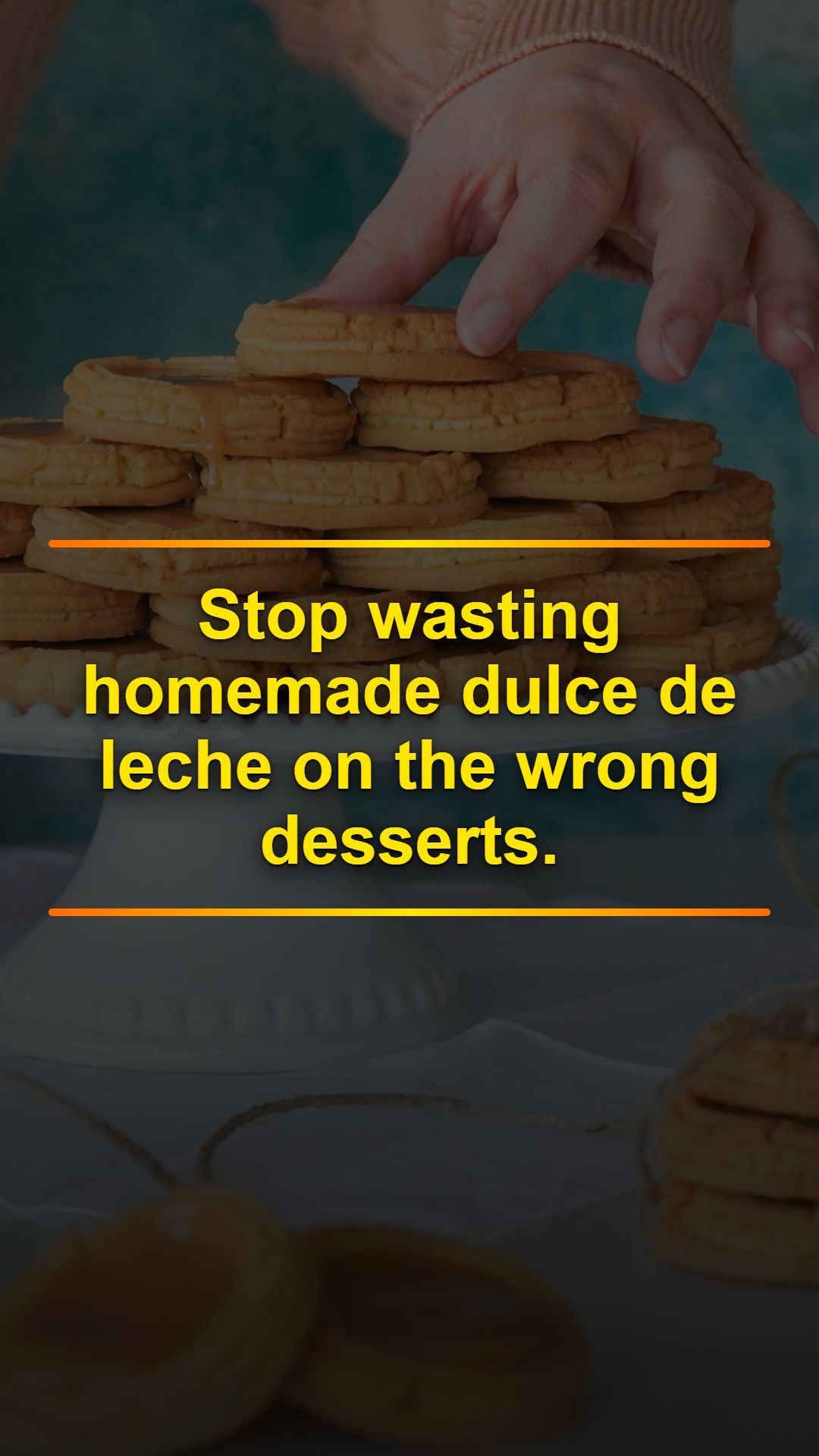
Homemade dulce de leche is delicious—but it's easy to waste it on applications where it's not the star. The key is knowing which desserts really let this rich, caramel-like spread shine, and how it compares to its close cousin, cajeta. Whether you're making it yourself or buying it ready-made, understanding these distinctions will elevate your baking and help you get the most from this labor-intensive ingredient.
1 Save It for Classic Cakes and Cookies
Dulce de leche's dense, sticky richness works best in desserts where it can be the hero flavor. Alfajores cookies—delicate, butter-based rounds filled with dulce de leche and often rolled in coconut—are a perfect vehicle for it, as are elegant layer cakes, especially a three-layer vanilla sponge where it serves as both filling and flavor anchor. The mild sweetness of vanilla cake lets the caramel depth shine without competing flavors, so you're not burying your hard work under competing sweetness.
2 Cajeta: When Goat's Milk Makes the Difference
If you've encountered dulce de leche made from goat's milk instead of cow's milk, you've tasted cajeta—a distinct variation with a tangier, slightly sharper profile that stands out in a crowd. This specialty is popular in traditional Mexican pastries like conchas and empanadas, where that tang cuts through rich, buttery doughs beautifully. Choose cajeta when you want brightness and complexity against sweet or heavy bases; use traditional dulce de leche when you want pure, smooth caramel flavor.
3 The Safe Way to Boil It at Home
Making dulce de leche by boiling an unopened can is faster than the traditional stovetop method, but it demands careful attention to avoid dangerous pressure buildup inside the can. Submerge the unopened can completely in water for two to three hours, ensuring the water level stays above the metal surface at all times—even a few minutes of exposed metal can create a safety risk. Once the can cools completely, open it carefully and refrigerate the thick, caramel spread; the result is silky and ready to use immediately.
4 Why Cajeta Costs More
Cajeta commands higher prices than standard dulce de leche because it's made with specialty goat's milk and often requires a specific aging process that can take over six months to complete. This extended time and ingredient specialization create a more nuanced, refined product with complexity that justifies the price difference. Reserve premium cajeta for starring roles—a drizzle over ice cream or the filling in delicate pastries—and save the standard version for incorporated uses where it blends with other strong flavors.
5 Store-Bought Isn't the Same as Homemade
Commercial dulce de leche is typically made with evaporated milk and stabilizers to achieve shelf stability, while true homemade versions use fresh whole milk and require at least three hours of gentle heat reduction. This difference affects both texture and flavor: homemade is silkier and more intensely caramel-forward, while store-bought has a slightly more uniform consistency and muted sweetness. Use store-bought when you need convenience and reliable texture in layered desserts; make your own when flavor intensity and silkiness are critical to the final dish.
Whether you're splurging on artisanal cajeta or making your own dulce de leche at home, the difference between getting it right and wasting it comes down to choosing the right dessert. Classic applications—cakes, cookies, and pastries—let these caramel spreads become the star instead of a supporting player, so your effort and ingredient cost pay off in every bite.