Build Workout Habits That Actually Stick
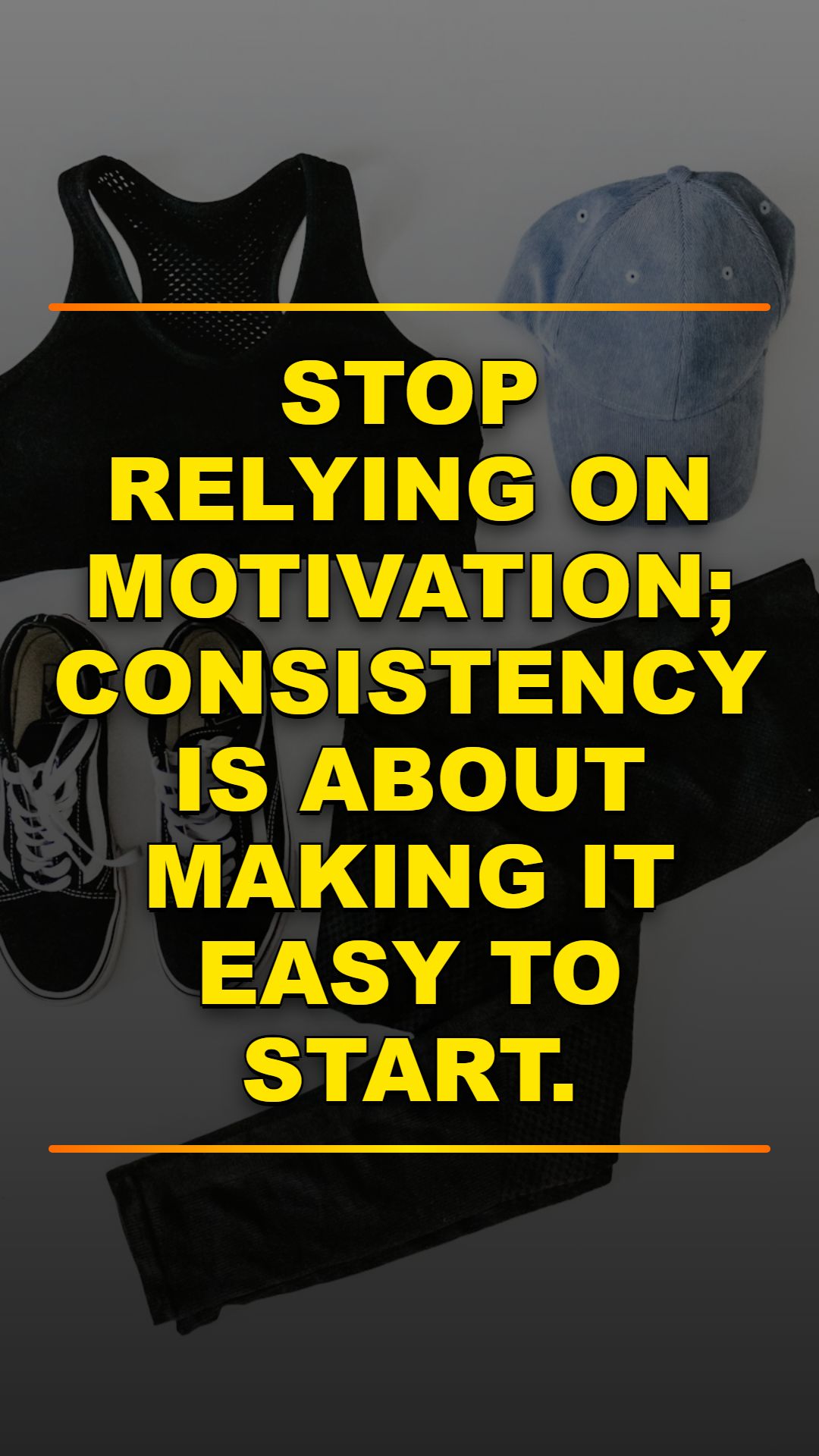
Motivation fades, but habits endure. If you've ever started a fitness routine with excitement only to abandon it by week three, you know the problem isn't willpower—it's design. The most reliable way to build a lasting workout habit isn't to find more inspiration; it's to make exercise so easy and frictionless that skipping it becomes harder than showing up. This guide walks you through five practical strategies that remove obstacles, anchor workouts to your existing life, and turn consistency into the real measure of success.
1 Start Smaller Than You Think
A 10- or 15-minute workout is not a warm-up—it's a complete workout that you'll actually finish. Most people set their first goal far too high, then quit when they miss a day and feel like they've failed. Starting small removes that all-or-nothing pressure. It also builds momentum: once you've shown up three or four times in a row, your brain stops treating the activity as a chore and starts recognizing it as part of your routine. You can always extend the duration later, but consistency matters far more than intensity in the first month.
2 Habit Stack With Existing Routines
Pairing your workout with something you already do every day—right after your morning coffee, during a lunch break, or immediately after dinner—borrows the trigger from an established habit and makes the new one automatic. Your brain doesn't have to decide whether to exercise; it just follows the sequence. This works because you're not building willpower from scratch; you're piggybacking on a behavior that's already wired in. Even a five-minute walk counts if it's stacked consistently right after your existing routine.
3 Schedule Workouts Like Appointments
When a workout is vague—'sometime this week'—it's the first thing to drop when life gets busy. Putting a specific time slot directly into your calendar, even 15 minutes, makes it a non-negotiable commitment. You'd reschedule a meeting with your boss; treat your workout the same way. This small act of blocking time removes the daily decision of when to exercise, and it signals to your brain that this time is reserved and important.
4 Prepare Gear the Night Before
Lay out your workout clothes and shoes before bed so they're ready the moment you wake up. This eliminates one of the biggest friction points: the morning decision. On days when motivation is low, you remove the excuse of not knowing what to wear or wasting time finding your gear. The fewer steps between deciding to work out and actually starting, the more likely you'll follow through. Research on decision fatigue shows that each small choice you avoid in the morning preserves mental energy for the harder ones.
5 Focus on Streaks, Not Intensity
A light 10-minute walk you complete beats a grueling 45-minute session you skip. Your only job is to show up—not to crush it, not to achieve peak performance, just to maintain the chain. Mark off each day you exercise on a calendar; the visual streak becomes its own reward and motivator. Over time, you'll want to protect that streak, and that desire to stay consistent becomes far more powerful than initial motivation ever was.
Building a workout habit that lasts isn't about finding the perfect program or summoning more willpower. It's about removing friction, anchoring exercise to your existing life, and redefining success as showing up rather than performing perfectly. Start small, make it convenient, and protect your streak. Within a few weeks, the habit will feel as natural as brushing your teeth—and by then, motivation won't be the point anymore.