5 Global Festivals You Need To Know
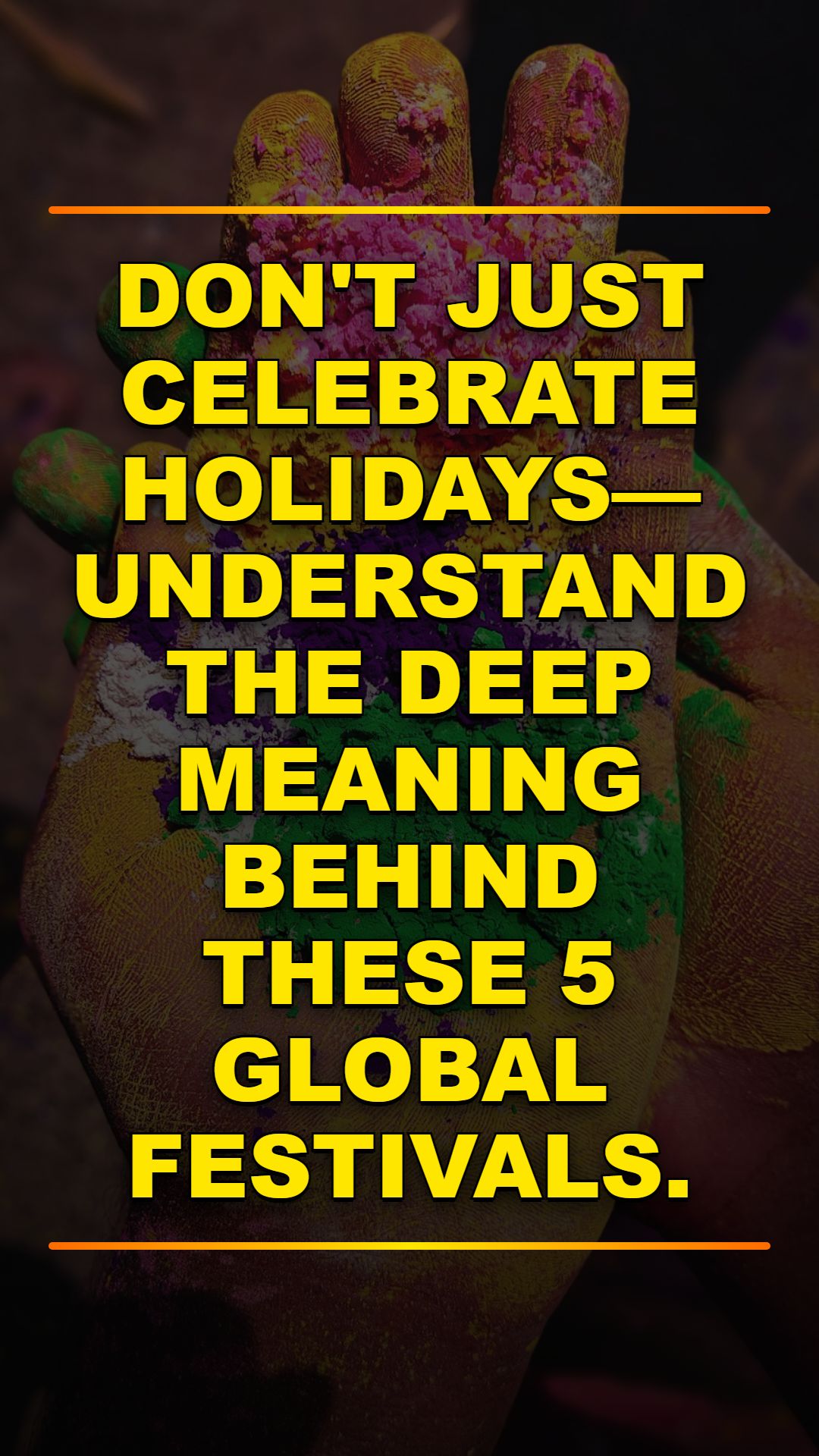
Global festivals offer far more than colorful celebrations—they're windows into thousands of years of spiritual tradition, cultural identity, and human connection. Whether honoring deities, commemorating historical events, or welcoming new seasons, these observances shape how billions of people find meaning. Understanding their deeper significance helps us appreciate the rich tapestry of beliefs that unite humanity.
1 Diwali: Festival of Lights
Celebrated over five days typically in October or November, Diwali commemorates Lord Rama's return from exile as told in the ancient Hindu epic the Ramayana. Families light clay lamps called diyas to honor Lakshmi, the goddess of wealth and prosperity, inviting her blessings into their homes for the year ahead. Beyond Hinduism, Sikhs, Jains, and Buddhists also celebrate Diwali with their own spiritual meanings, making it a truly multi-faith festival. The exchange of sweets and gifts during the festival symbolizes goodwill and the sweetness of life, deepening family and community bonds.
2 The Hajj Pilgrimage
The Hajj stands as one of Islam's Five Pillars—a spiritual obligation that every able-bodied Muslim is expected to undertake at least once in their lifetime. For a few weeks each year in the Islamic month of Dhu al-Hijjah, millions of pilgrims from around the world converge on Mecca, creating one of humanity's largest spiritual gatherings regardless of wealth, nationality, or status. The rituals performed—circling the Kaaba seven times, running between two hills, and standing on Mount Arafah—carry profound symbolic meaning about submission, equality, and forgiveness. This journey is not merely a religious duty; it's viewed as a life-changing experience that deepens faith and creates a powerful sense of global Muslim unity.
3 Rosh Hashanah: New Year
Rosh Hashanah, celebrated in September or October, marks the Jewish New Year and the beginning of the High Holy Days, a ten-day period of spiritual reflection that concludes with Yom Kippur, the Day of Atonement. The festival is rooted in Jewish tradition as a time for introspection and renewal, with families gathering to perform rituals that symbolize hopes for a sweet year ahead. One beloved custom is dipping apple slices in honey, while another involves blessing and eating round challah bread to represent the cycle of the year. The sounding of the shofar—a ram's horn—during synagogue services signals both the call to reflection and the joyful anticipation of a fresh start.
4 Holi: Festival of Colors
Holi, celebrated in March as the Festival of Colors, marks the arrival of spring across Hindu, Sikh, and other Indian faith communities with vibrant street celebrations where people joyfully throw colored powder and water at one another. The festival's origins trace back to Hindu mythology and the legend of Holika, a demoness defeated by divine intervention—celebrated the night before with bonfires that symbolize the burning away of evil and negativity. Beyond the colorful festivities, Holi carries profound social significance as a day when traditional barriers of class, age, and status dissolve in the joy of celebration. This ancient tradition reminds us that renewal and forgiveness are central to human connection, making Holi both a deeply spiritual and profoundly communal experience.
These four festivals—Diwali, Hajj, Rosh Hashanah, and Holi—represent humanity's universal desire to mark moments of spiritual significance, honor our traditions, and connect with others. Each carries lessons about renewal, gratitude, unity, and the courage to start anew. By understanding the meaning behind these celebrations, we gain not only cultural awareness but also appreciation for the shared human values that transcend geography and belief. The next time you encounter one of these festivals, you'll see far more than colored lights or powders—you'll see centuries of tradition, millions of believers, and the timeless human need to celebrate what makes life sacred.